
Hand Signals
Divers use hand signals to communicate with each other underwater and on the surface. Most of these signals are universally understood around the world. Other signals vary by location, instructor, or certification agency.
A pre-dive review of hand signals is an important preparation before every dive. This prevents any confusion over what a specific signal means, and also provides an opportunity to share special signals you’ve learned from others or developed by yourself.
You’ll begin using hand signals during the first pool session. The following pages illustrate the common signals used both at the surface and underwater.
Surface Hand Signals
Surface signals are used to communicate with divers, divemasters, or spectators who are too far away to speak to. These signals consist of arms placed high above the water to indicate your condition while at the surface.

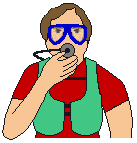
“I’m OK”
(one hand occupied)

“I’m OK”


Underwater Hand Signals
You’ll be using signals underwater to communicate common messages to your buddy. The signals to the left are the most common signals you’ll be using. There are other signals used by many divers, and your instructor will introduce those signals during your pool sessions.

“I’m OK”





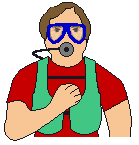


Using Hand Signals Effectively
Signals must be displayed clearly and distinctly to be effective. Follow these guidelines to make sure your buddy understands the message you’re communicating.
Display signals in a position that’s easy for your buddy to see. For example, if you’re wearing black gloves and a black wetsuit, display signals away from your chest so that your hand can be seen against the background.
Respond to all signals by repeating the signal back to your buddy to indicate you received and understand the signal. For example, if your buddy displays the signal to ascend, respond with the ascend signal before you both begin to ascend.
“OK” signals are used as both a question and answer. For example, your instructor will display the signal after you’ve demonstrated a skill to ask you if you’re OK. Respond with the OK signal if you are in fact OK.